Bushfire Maintenance Sydney
Professional Bushfire Maintenance Services Sydney – Protect Your Property from Bushfire Risk
Protect your Sydney property from devastating bushfire damage with expert bushfire maintenance and hazard reduction services. Our experienced team creates and maintains Asset Protection Zones (APZ), reduces fuel loads, and ensures your property complies with NSW Rural Fire Service guidelines. Don’t wait until fire season – prepare your property now with professional bushfire maintenance.
Get Your Free Bushfire Risk Assessment – Call [Phone Number] or book online today.
Why Bushfire Maintenance is Critical for Sydney Properties
Sydney’s bushland suburbs face significant bushfire risk, particularly during hot, dry summers. Professional bushfire maintenance isn’t just recommended – for many properties, it’s legally required and essential for:
Protecting Lives and Property
Bushfires can destroy homes in minutes. Proper vegetation management creates defendable space around your property, significantly reducing the risk of ember attack, radiant heat, and direct flame contact.
Insurance Compliance
Many insurance policies require evidence of bushfire hazard reduction and APZ maintenance. Failure to maintain your property according to guidelines can void coverage or result in higher premiums.
Legal Obligations
Properties in bushfire-prone areas must comply with NSW Planning for Bush Fire Protection standards. Councils can issue notices requiring landowners to reduce fire hazards, with significant penalties for non-compliance.
Our Comprehensive Bushfire Maintenance Services
Asset Protection Zone (APZ) Creation and Maintenance
Asset Protection Zones are the cornerstone of bushfire protection. We design and maintain APZs according to NSW Rural Fire Service specifications:
Inner Protection Area (IPA) – The zone immediately surrounding your home (typically within 10m) where vegetation is most strictly managed. We remove all undergrowth, prune tree canopies, and maintain minimal low-fuel ground cover.
Outer Protection Area (OPA) – Extended zone (typically 10-30m from structures) where we reduce fuel loads while maintaining vegetation. Strategic tree removal, undergrowth clearing, and fuel load reduction create a managed buffer.
Land Management Zone – Beyond the OPA, we manage vegetation to reduce fire intensity and slow fire spread. Selective clearing, strategic firebreaks, and fuel reduction help protect your broader property.
We assess your property’s specific Bushfire Attack Level (BAL) rating and implement appropriate vegetation management for your risk category (BAL-LOW, BAL-12.5, BAL-19, BAL-29, BAL-40, or BAL-FZ).
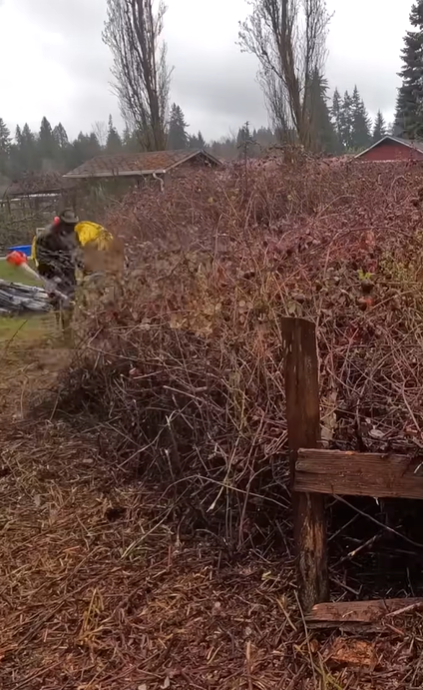
Undergrowth Removal – Clearing dense undergrowth, leaf litter, and ground-level vegetation that allows fire to spread rapidly.
Deadwood and Debris Clearing – Removing fallen branches, dead trees, bark accumulation, and other combustible debris that significantly increases fire intensity.
Vegetation Thinning – Strategic removal of excess vegetation to break up continuous fuel sources and reduce fire spread potential.
Grass Slashing and Mowing – Maintaining grass and ground covers to less than 100mm height to minimize ignition risk.
- You need immediate replanting in the same location
- Construction requires complete underground clearance
- The stump is in a location where grinding debris would be problematic
- You want to eliminate all traces of the tree
Strategic Tree Management
Not all trees need removal, but strategic tree management is essential for bushfire protection:
Hazardous Tree Removal – Removing dead, dying, or structurally unsound trees that pose fire risk or could fall on structures during fires.
Canopy Separation – Ensuring tree canopies don’t touch or overlap, preventing “crown fires” that spread rapidly through continuous canopy.
Limb Removal and Pruning – Removing lower branches to prevent fire climbing from ground level into tree canopies (typically removing all branches below 2-4 meters).
Spacing Compliance – Maintaining required distances between trees and structures according to your BAL rating and RFS guidelines.
Firebreak Installation and Maintenance
Firebreaks are essential barriers that slow or stop fire spread:
Cleared Firebreaks – Creating wide strips of cleared land free from all vegetation, typically around property boundaries or strategic locations.
Mineral Earth Firebreaks – Stripping vegetation down to bare mineral soil to create firebreaks that flames cannot cross.
Access Track Firebreaks – Maintaining access tracks that double as firebreaks, allowing emergency vehicle access while providing fire protection.
Strategic Placement – Positioning firebreaks based on prevailing wind patterns, topography, and fire behavior modeling.
Our Bushfire Maintenance Process
1. Site Inspection
Our bushfire specialists visit your property to evaluate current conditions, vegetation types, topography, and structures
2. Customized Bushfire Management Plan
Vegetation Management Strategy Clear specifications for tree removal, pruning, undergrowth clearing, and fuel reduction
Firebreak Placement – Strategic positioning of firebreaks for maximum effectiveness
3. Professional Implementation
Safe Tree Removal – We remove hazardous and non-compliant trees using professional arborist techniques, including crane-assisted removal for large trees near structures.
Precision Clearing – Selective clearing preserves desirable vegetation while removing fire hazards, maintaining the natural character of your property where possible
4. Waste Management
Bushfire maintenance generates significant vegetation waste. We handle it responsibly:
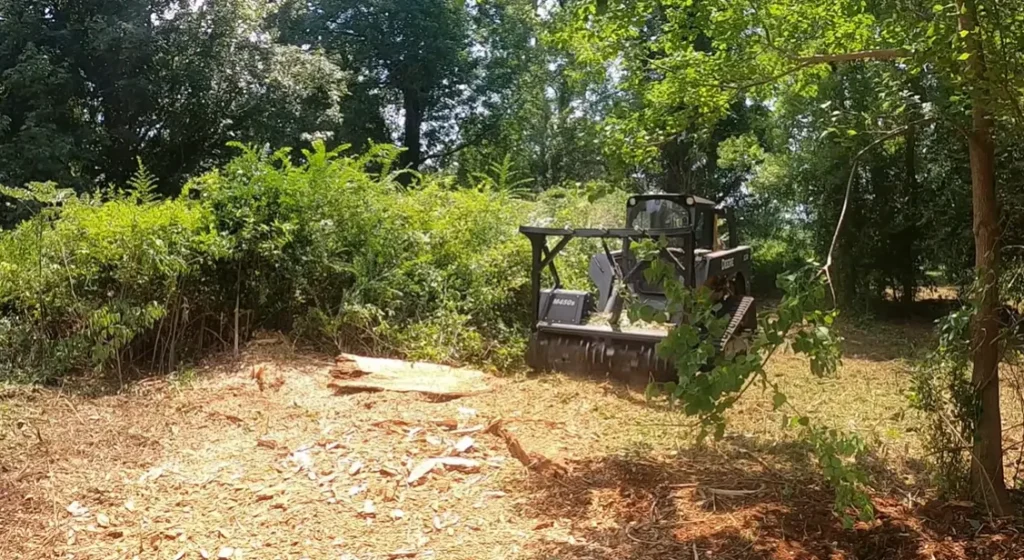
On-Site Mulching – Where appropriate, we mulch cleared vegetation and use it for erosion control on cleared areas (avoiding placement near structures).
Complete Removal – We haul away all vegetation waste from high-risk zones, ensuring no additional fuel remains on your property.
5. Ongoing Maintenance and Monitoring
Bushfire protection requires continuous attention:
Scheduled Revisits – We return at agreed intervals to maintain vegetation, control regrowth, and address emerging risks.
Pre-Season Inspections – Before each fire season, we inspect your property and complete necessary maintenance.
Equipment and Methods for Bushfire Maintenance
We deploy specialized equipment appropriate to bushfire maintenance requirements:
Heavy Clearing Equipment
Excavators – For tree removal, stump grinding, and firebreak construction
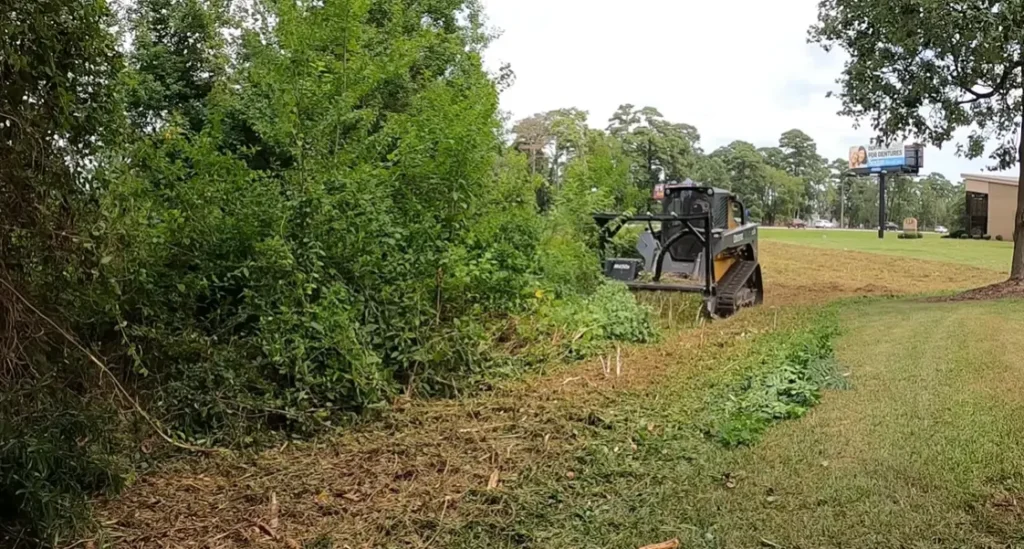
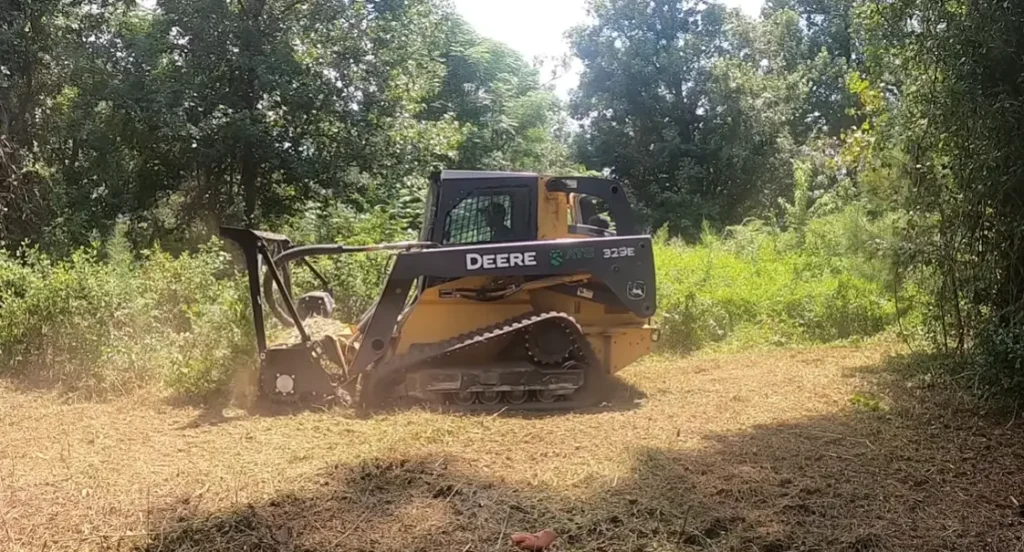
Forestry Mulchers – Processing vegetation into mulch while clearing
Bobcats and Loaders – Moving debris, materials, and operating in confined spaces
Vegetation Management Tools
Brush Cutters and Slashers – Clearing undergrowth and maintaining grass height
Chainsaws – Precision tree felling and limb removal
Wood Chippers – Processing branches and smaller vegetation
Access and Safety Equipment
4WD Vehicles – Accessing remote and steep properties
Safety Gear – Full PPE including protective clothing, helmets, and fire-resistant equipment
Communication Systems – Maintaining contact with RFS and emergency services when required